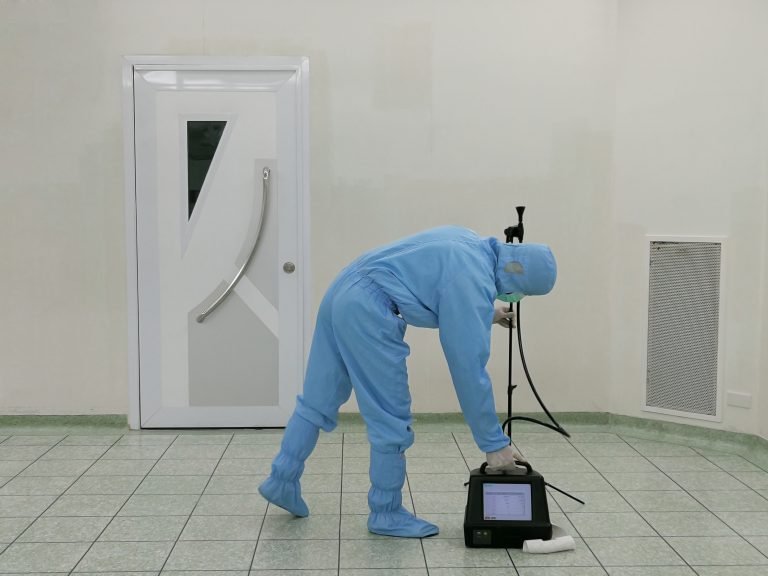
Just like water, electricity, and gas, air is a vital energy resource essential for operating pneumatic equipment, robotics, and control systems on the plant floor.
Because of its role in manufacturing facilities, compressed air must consistently remain clean. Contaminants such as dust, oil, and moisture can lead to costly equipment and system failures.
What Is Compressed Air Testing?
Compressed air testing verifies whether the air in your facility meets safety and industry standards, confirming it is safe and suitable for its intended use. Common impurities include:
- Moisture and water vapor
- Oil and hydrocarbons
- Solid particulates
- Microorganisms like bacteria
Depending on the application and type of facility, inspection may focus on specific contaminants or performance criteria. In the food and beverage industry, for example, compressed air often comes into direct contact with products, packaging, and nearby surfaces, making it essential to ensure freedom from bacteria or oil aerosols. Pharmaceutical companies follow even stricter guidelines due to the need for sterile environments, while electronics manufacturers largely prioritize particulate monitoring.
Why Testing Is Required in Regulated Industries
Different industries follow different safety standards outlined by various regulatory bodies. Many of them require documented compressed air quality testing.
Food and beverage companies operate under the standards established by the Safe Quality Food Institute (SQFI), which treats air as a Critical Control Point (CCP).
The US Food and Drug Administration (FDA) and the Good Manufacturing Practices (GMP) mandate regular compressed air testing for all drug production facilities.
Businesses without sufficient testing documentation may face audit failure and, in the worst case, may be forced to halt production.
Why Compressed Air Quality Matters
Contaminants can enter a compressed air system at several key stages: compression, storage, distribution, and manufacturing. Left unchecked, they pose risks to product safety, equipment reliability, and regulatory compliance.
Product Safety and Contamination Prevention
Oil aerosols can be a significant problem when separators or filters fail. Moisture is another issue, as compressed air can carry vapor into the system without proper drying, leading to condensation in tanks, piping, and distribution lines.
Debris and particles can come from pipe corrosion, unclean filters, or worn compressors. Warm, damp environments can also become a breeding ground for microorganisms, with bacteria, yeast, and fungi growing inside improperly maintained systems.
These contaminants can lead to microbial or chemical issues in manufacturing. In the food industry, non-food-grade oil can change the taste of products, affect pharmaceuticals, and leave harmful residues on equipment.
Avoiding Downtime, Recalls, and Compliance Risks
Contamination can occur beyond the tank itself. Point-of-use systems, distribution pipes, hoses, and nozzles can accumulate dust, debris, and moisture, causing premature equipment wear and filter clogs. Preventive air testing is far more affordable than unplanned downtime, product recalls, and legal penalties.
What Does Compressed Air Testing Check For?
Under the ISO 8573 series guidelines, technicians typically test for particulate, oil, water, gas, and microbial contaminants.
Oil and Hydrocarbon Contamination
One of the first things experts will check is the presence of oil aerosols and hydrocarbon vapors. They’ll also look for liquid oil.
Methods for oil and hydrocarbon evaluation are outlined in ISO 8573 2. It’s especially crucial in production systems where compressed air directly comes into contact with the product or its packaging.
Frequent monitoring is strictly necessary for facilities that use oil-lubricated compressors.
Moisture and Dew Point Levels
Moisture testing measures the vapor level and pressure dew point of compressed air systems, as stated in the ISO 8573 9.
The dew point is the temperature at which condensation happens.
Maintaining an appropriate dew point means less water accumulating, preventing conditions where bacteria can thrive.
Particulate and Particle Count Analysis
Facilities that need sterile or dust-free environments to produce their products and equipment may need a particulate or particle count analysis.
What this does is measure the concentration and size of air contaminants in compressed air.
Beyond compliance verification, working with air testing labs helps minimize particulates and ensures their size doesn’t impede your operations.
Microbial and Gas Contamination
ISO 8573 6 and ISO 8573 7 2003 require manufacturers to conduct compressed air microbial testing and gaseous contaminant analysis.
Gaseous pollutants, such as carbon monoxide, sulfur dioxide, nitrogen oxides, and volatile organic compounds (VOCs), can pose a danger to human health.
Inhaling these toxic fumes can lead to a range of minor to life-threatening complications.
This is why testing for the presence of both microbes and gaseous impurities is recommended for pharmaceutical, food, and healthcare facilities.
Compressed Air Standards and Compliance Requirements
Several regulatory bodies and standards influence compressed air testing.
In the US, the ISO 8573 is the gold standard for quality in air compressors in manufacturing systems. It defines the safest, acceptable levels of contaminants in compressed air.
The regulatory standards also outline the framework for air quality classification, including the various testing methodologies.
Apart from the International Organization for Standardization, the SQF, the FDA, and the OSHA can also impose specific compliance requirements, depending on the industry.
How Compressed Air Testing Is Performed
Testing involves a combination of procedures, such as on-site sampling, laboratory analysis, result validation, and monitoring. This can be done in-house or by contracting a reliable third party.
Compressed Air Sampling and Laboratory Analysis
Using specialized compressed air testing equipment, the specialist will collect an air sample (grab sampling) from a system.
The sample is typically taken from designated points, such as the pipes, compressors, air dryers, and point-of-use areas. This provides an accurate snapshot of the oil, moisture, toxic gas, and particulate matter levels.
Laboratory analysis will determine whether the system complies with relevant air quality standards.
Validation, Monitoring, and Revalidation
Wear and tear, environmental conditions, and maintenance routines mean the system conditions change over time. Compressed air quality may not remain within permissible levels.
For these reasons, manufacturers are required to implement ongoing monitoring and revalidation procedures.
Performing compressed air analysis every three months is a good rule of thumb for highly regulated industries.
Testing must be conducted immediately if you suspect contamination. This also goes when modifying equipment or doing major repairs.
Choosing the Right Compressed Air Testing Partner
Testing with an accredited lab is one of the best ways to ensure continued compliance with existing compressed air standards.
Certifications, Experience, and Response Time
Partnering with a laboratory with relevant accreditation and certifications means you can trust that the results will be trustworthy and meet established industry guidelines.
Look for a testing provider with sufficient experience and expertise, capable of providing services on the go.
Why Facilities Choose Class 1 Air
If you’re looking for compressed air testing near me, Class 1 Air is a trusted provider of compressed air purity testing services in the Midwest.
We’re committed to delivering reliable, accurate, and fast support. Our team of expert technicians is trained to comply with the latest ISO, FDA, ASHRAE, USP, CNBT/CAG, and IEST testing standards, among others.
Talk to us and let us know how we can help!